Know what is installed
Maintain practical records for switchboards, RCDs, emergency and exit lighting, portable equipment where applicable, lighting, circuits and other maintainable electrical assets.

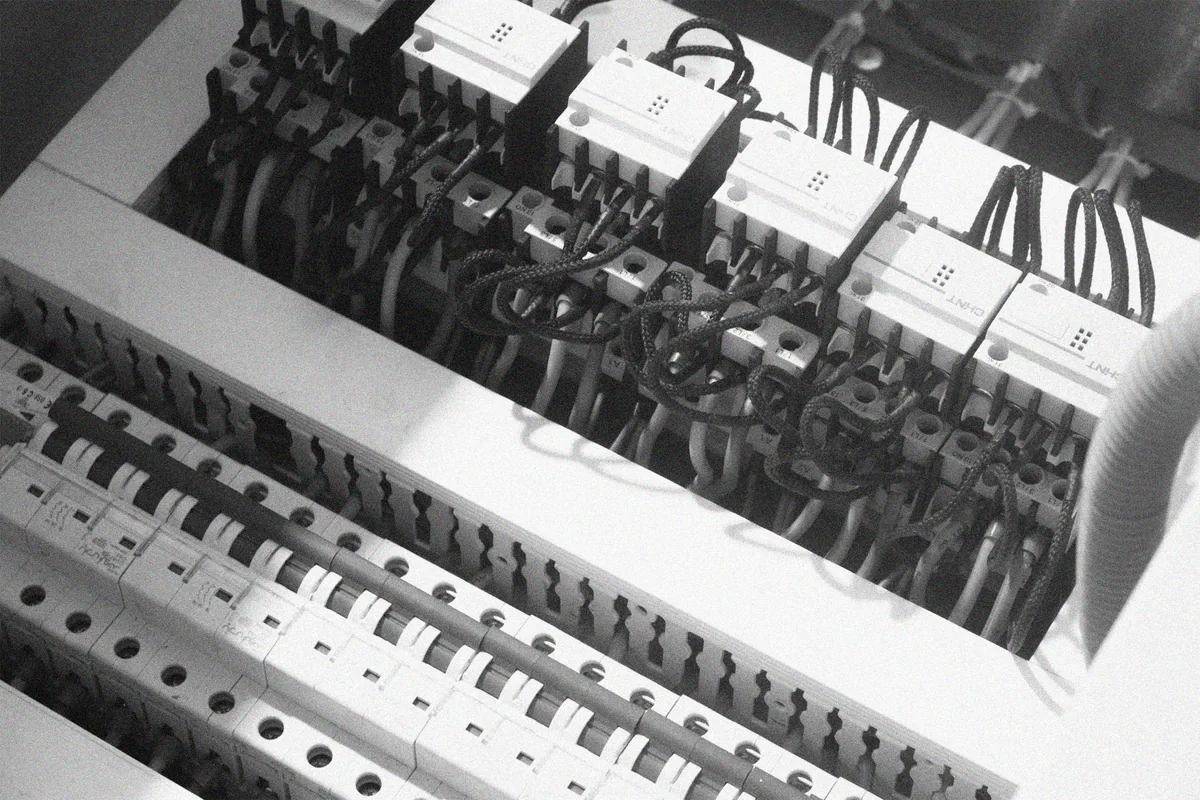

A practical guide for facility, property and operations teams planning preventative electrical maintenance, safety testing, defect rectification and reporting across commercial and public facilities.
A useful maintenance programme does more than schedule electrician visits. It identifies the assets in scope, the operating environment, known defects, required tests, access constraints, responsible people and evidence needed at completion.
Maintain practical records for switchboards, RCDs, emergency and exit lighting, portable equipment where applicable, lighting, circuits and other maintainable electrical assets.
Electrical equipment that is unsafe should be isolated from supply and not returned to service until it has been repaired, tested safe, replaced or permanently removed.
Records should identify who performed testing, when it occurred, the result and—where applicable—the next testing requirement, so facilities teams can close defects and plan future work.
SafeWork NSW also notes that inspection and testing frequency varies with the nature of the workplace and the risks associated with the equipment. The maintenance plan should therefore reflect the actual site rather than copy a generic calendar.
Use this as a planning checklist. The final scope, methods and frequency should be established for the site, equipment, operating environment, risk assessment, manufacturer requirements and applicable legislation and standards.
Electrical testing does not have one universal interval for every commercial facility. The programme should account for the equipment, environment, how often assets are moved or used, consequences of failure, applicable requirements and previous findings.
| Trigger | What it means for the programme | Typical response |
|---|---|---|
| Higher-risk operating environment | Moisture, heat, vibration, dust, chemicals or frequent equipment movement may increase electrical risk. | Review protection, inspection and testing frequency against the site risk assessment and applicable requirements. |
| Repeat faults or nuisance trips | A recurring symptom should not be treated as a simple reset-and-go event. | Investigate the cause, document findings and rectify the underlying issue. |
| Critical facility or asset | Failure may disrupt operations, public access, teaching, hearings, events or essential building functions. | Use defined response priorities, planned inspections and clear escalation contacts. |
| Asset change | New equipment, alterations or replacements change the maintenance register. | Update asset records, labels, test status and future planned maintenance. |
SafeWork NSW directs workplaces to relevant standards and risk-based requirements. A competent person should determine the appropriate inspection and testing programme for the actual workplace and equipment.
Facilities teams need to know what failed, where it is, how urgent it is, whether the asset remains available for use and what happens next.
Isolate unsafe equipment where required, make the area safe, notify the nominated contact and clearly record any limitation on continued operation.
Group approved replacements, repairs and follow-up investigation into efficient planned works, then update records when the defect is closed.
Use asset IDs, locations, photographs where useful, technician notes, test results and completion status so portfolio managers can audit the work.
Recurring circuit faults, failed batteries, damaged outlets or repeat access issues can reveal where maintenance scope, asset selection or scheduling needs to change.
For larger portfolios, this information can feed KPI dashboards covering attendance, completion, outstanding defects, first-time fix performance and ageing corrective actions. Masters Voice’s commercial electrical maintenance programmes are structured around defined service levels, multi-site support, defect rectification and clear close-out reporting.
Meeting rooms, displays, racks, network equipment, digital signage and other commercial technology depend on correctly coordinated power and communications infrastructure.
Testing, maintenance, lighting, power, circuits, alterations and electrical fault finding.
COMMUNICATIONSRegistered communications cabling for connected equipment and network infrastructure.
AUDIO VISUALAV design, installation, programming, commissioning and ongoing technical support.
Guidance on competent persons, testing records and how workplace risk affects inspection and testing frequency.
SAFEWORK NSWWorkplace guidance on RCD protection, maintenance, testing and record keeping.
BUY.NSWNSW Government scheme information for building electrical construction, installation, commissioning and operational maintenance.
Masters Voice Electrical supports planned and reactive maintenance, defined attendance priorities, multi-site portfolios, defect rectification and practical reporting for commercial, education, government and public facilities.
Send the site addresses, asset registers or latest test reports, known defects and preferred access windows. Include the required reporting format and attendance priorities so testing, planned visits and separately scoped repairs can be priced clearly.
Find the right testing service, plan ongoing maintenance and see examples of our work in schools.