DSP
August 4, 2026
arrow up right

What Is a DSP? Digital Signal Processing in Commercial AV

Commercial AV Technology Guide

What is a DSP? Digital signal processing explained.

Discover how commercial audio DSP technology improves speech clarity, removes conferencing echo, routes network audio and coordinates modern meeting rooms, schools, venues and government AV systems.

Acoustic echo cancellation Automixing Dante and AES67 Conferencing audio
Live DSP processing environment
AEC Remove conferencing echo
Network audio Dante, AES67 and Q-LAN
Automixing Manage active microphones
Control logic Presets, routing and monitoring
Q-SYS Core Nano commercial audio video and control processor

DSP explained

A DSP is the audio intelligence inside a commercial AV system.

A digital signal processor receives audio, improves it, routes it and sends the correct signal to conferencing platforms, amplifiers, recording systems and loudspeakers.

Raw audio

Microphones capture more than speech.

They also capture reflections, background noise, changes in distance, loudspeaker sound and competing voices.

Processed audio

DSP technology makes the signal usable.

Equalisation, mixing, echo cancellation, noise reduction, routing and gain control create clearer, more consistent audio.

DSP functions

What does a commercial audio DSP do?

01 — Mix

Mix microphones and sources

Combines microphones, computers, media players, paging and conferencing audio into controlled signal paths.

02 — Clean

Improve speech clarity

Filtering, equalisation and gain management help speech remain intelligible across different room conditions.

03 — Cancel

Remove conferencing echo

Acoustic echo cancellation prevents remote participants from hearing their own voices return through the room.

04 — Route

Send audio to the right destination

Routes local and network audio to speakers, amplifiers, recording devices and conferencing systems.

05 — Automate

Automate room behaviour

Presets and control logic can combine rooms, mute microphones and change operating modes automatically.

06 — Protect

Protect speakers and listeners

Limiters and crossover processing help reduce distortion and protect equipment from excessive levels.

07 — Network

Connect networked audio

Compatible DSPs transport audio using Dante, AES67, AVB, BLU link and other network technologies.

08 — Monitor

Support diagnostics

Monitoring can expose device health, audio levels, faults and configuration information to support teams.

Why DSP matters

Good microphones cannot compensate for poor processing.

Without effective DSP

The system may work but remain difficult to use.

  • Remote participants hear echo.
  • Microphone levels vary dramatically.
  • Background noise competes with speech.
  • Rooms require manual reconfiguration.
  • Feedback occurs during reinforcement.
  • Fault diagnosis becomes difficult.
With commissioned DSP

The audio system behaves consistently around the user.

  • Speech remains clear at both ends of calls.
  • Microphone levels are automatically managed.
  • Noise and unwanted frequencies are controlled.
  • Room presets match operating workflows.
  • Audio routes correctly between zones.
  • Configuration files support maintenance.

Commercial AV Technology Guide

What is a DSP? Digital signal processing explained.

Discover how commercial audio DSP technology improves speech clarity, removes conferencing echo, routes network audio and coordinates modern meeting rooms, schools, venues and government AV systems.

Acoustic echo cancellation Automixing Dante and AES67 Conferencing audio
Live DSP processing environment
AEC Remove conferencing echo
Network audio Dante, AES67 and Q-LAN
Automixing Manage active microphones
Control logic Presets, routing and monitoring
Q-SYS Core Nano commercial audio video and control processor

DSP selection guide

Compare architecture before comparing model numbers.

Platform Architecture Typical strength Design considerations
Q-SYS Core Integrated audio, video and control Meeting rooms, education, government and managed AV Core capacity, licences, I/O and network design
Crestron Control-led AV ecosystem Enterprise rooms and network audio Control architecture, DM NAX and AES67 requirements
BSS Soundweb Open-architecture audio DSP Venues, zoned audio and configurable processing I/O, BLU link, network protocols and legacy compatibility
Biamp Tesira Fixed or configurable network DSP Conferencing and enterprise audio AEC channels, AVB, Dante, USB and room count
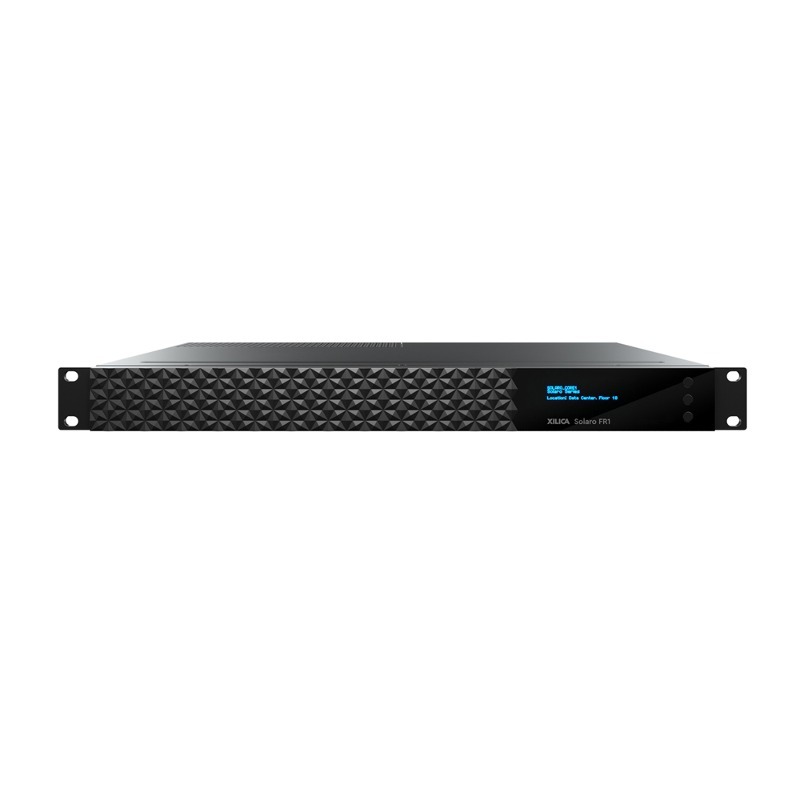
Xilica Solaro Modular open-architecture DSP Classrooms, courtrooms and meeting spaces Card configuration, Dante and expansion requirements
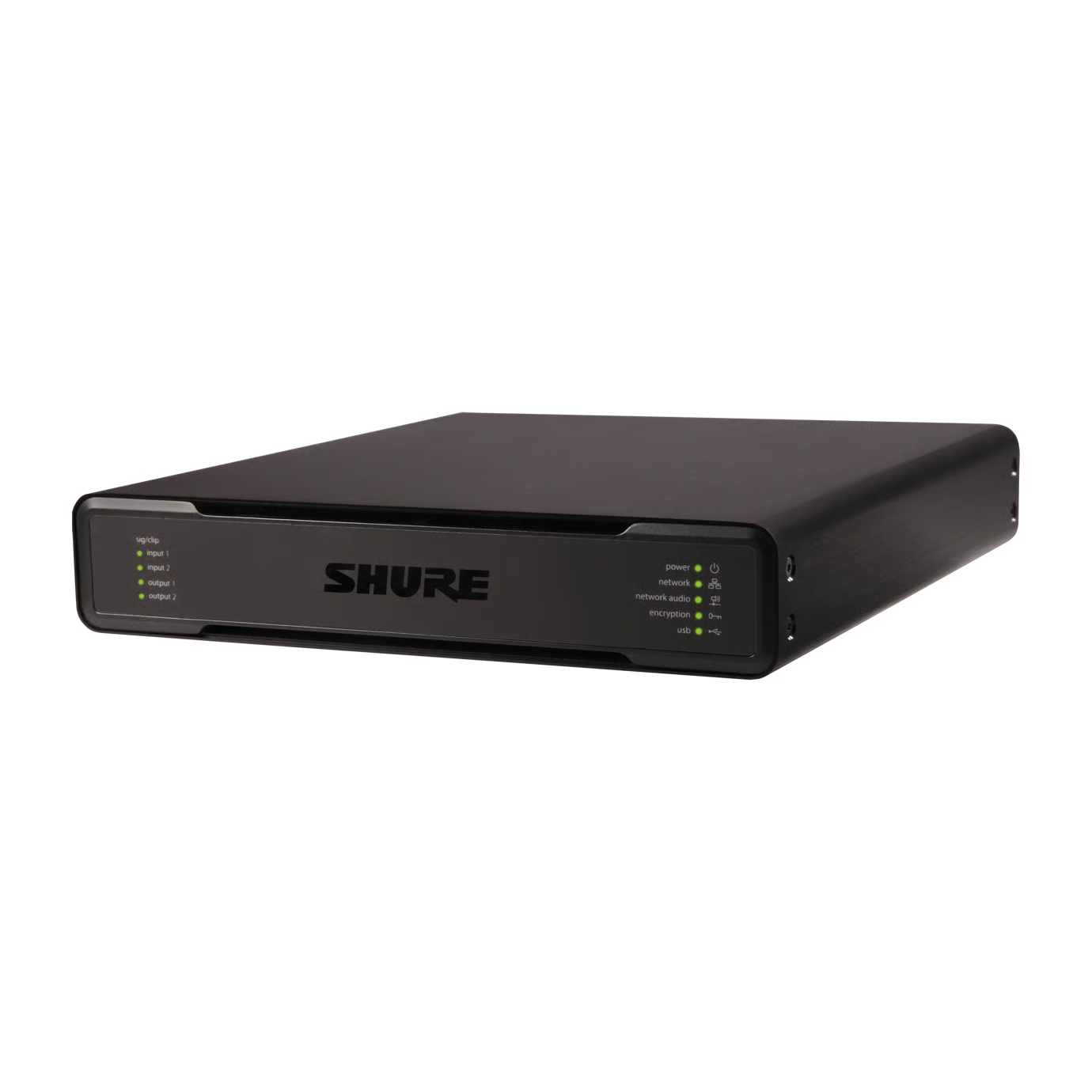
Shure P300 Fixed conferencing processor Meeting rooms using Shure microphones Microphone count, external control and routing needs

DSP applications

Where is digital signal processing used?

Corporate

Meeting rooms and divisible spaces

DSP supports echo cancellation, microphone mixing, USB audio, voice lift and room-combine workflows.

Government

Hearings, chambers and courtrooms

Complex mix-minus, conferencing, recording and hearing assistance rely on controlled signal processing.

Education

Classrooms, halls and paging

DSP can combine teaching audio, bells, announcements, emergency override and networked loudspeaker zones.

Venues

Pubs, hotels and clubs

Zoned music, live inputs, television audio, paging and function-room presets can share one processing environment.

Worship

Speech reinforcement

Equalisation, delay alignment and loudspeaker processing help improve clarity in acoustically difficult spaces.

Multi-site

Managed AV environments

Standardised templates, backups and monitoring improve consistency across multiple locations.

Design and commissioning

DSP performance depends on the design around it.

01 — Discover

Define the room workflow

Identify users, room modes, microphones, conferencing, paging, recording and operational priorities.

02 — Design

Build the signal architecture

Document every input, output, processing block, network stream and control interface.

03 — Program

Configure processing and logic

Create routing, AEC references, automixing, EQ, dynamics, presets and room-combine logic.

04 — Commission

Test the user experience

Tune the room, verify calls, validate every mode, document settings and train users.

Frequently asked questions

Common questions about commercial AV DSP systems

What does DSP stand for in commercial AV?
DSP stands for digital signal processing or digital signal processor. It refers to technology used to mix, clean, route, control and optimise audio signals.
Does every meeting room need a separate DSP?
No. Small rooms may use processing built into an approved video bar or microphone. Larger and acoustically complex rooms often benefit from a dedicated processor.
What is acoustic echo cancellation?
Acoustic echo cancellation removes remote audio from local microphone signals before those signals return to the call.
Is Q-SYS only an audio DSP?
No. Q-SYS can combine audio processing with video, control, conferencing, cameras, paging and remote monitoring.
What is open-architecture DSP?
Open-architecture processors allow the designer to build custom signal paths using configurable processing blocks.
Can DSP audio travel over the network?
Yes. Compatible processors can transport audio using Dante, AES67, AVB, BLU link and manufacturer-specific protocols.
Can an existing DSP be reprogrammed?
Often, but it depends on product access, credentials, configuration files, installed I/O and available processing capacity.
How do I choose the right DSP?
Begin with room workflow, microphone count, conferencing, acoustic echo cancellation, network audio, control, monitoring and future expansion requirements.

Commercial DSP design and integration

Need clearer audio and a system that behaves properly?

Masters Voice Technology designs and supports DSP-based AV systems for meeting rooms, education facilities, government environments, venues, worship spaces and multi-site organisations across Sydney and New South Wales.