
01
Incomplete information transfer
Drawings, equipment requirements and site decisions may not reach every contractor at the correct time.


Complete Commercial AV Project Delivery
Commercial AV projects rely on more than screens, cameras and loudspeakers. Power, data cabling, networks, programming, commissioning and long-term support must all work together. Vertical integration brings these connected disciplines under one accountable delivery model.
One Coordinated Delivery Model
In commercial AV, vertical integration describes a delivery model in which connected project disciplines are coordinated by the same organisation rather than divided between several unrelated suppliers.
This can include consultation, AV system design, equipment supply, licensed electrical work, structured communications cabling, installation, control programming, audio configuration, commissioning, user training and ongoing support.
It does not mean that one person performs every task. It means that specialist engineers, programmers, electricians, cablers, technicians and support personnel work under one project structure with shared documentation and clear responsibility.
Masters Voice Technology combines commercial audio visual integration , licensed electrical services and registered communications cabling within one technology delivery team. This integrated approach also supports ongoing commercial electrical maintenance for operational facilities.
Each discipline still requires qualified people. The difference is that those specialists work from the same project requirements, delivery program and responsibility structure.
Integrated Delivery Across Industries
The specific technology changes between sectors, but the need to coordinate AV, electrical, data, control and support remains consistent.
Meeting rooms, training spaces and video conferencing require coordinated displays, cameras, microphones, power, data and control.
Classroom AV, school PA, bell systems, halls and hybrid learning rely on electrical, network and communications infrastructure.
Courts, council facilities and secure meeting spaces need documented, compliant and accountable project delivery.
Zoned audio, AV over IP, commercial displays, function rooms and rooftop systems require extensive power, cabling and control coordination.
PA, streaming, projection, lighting interfaces and hearing support depend on coordinated infrastructure and simple volunteer operation.
Standardisation, remote monitoring and central support are easier when one provider understands the complete technology environment.
Venue Technology Integration
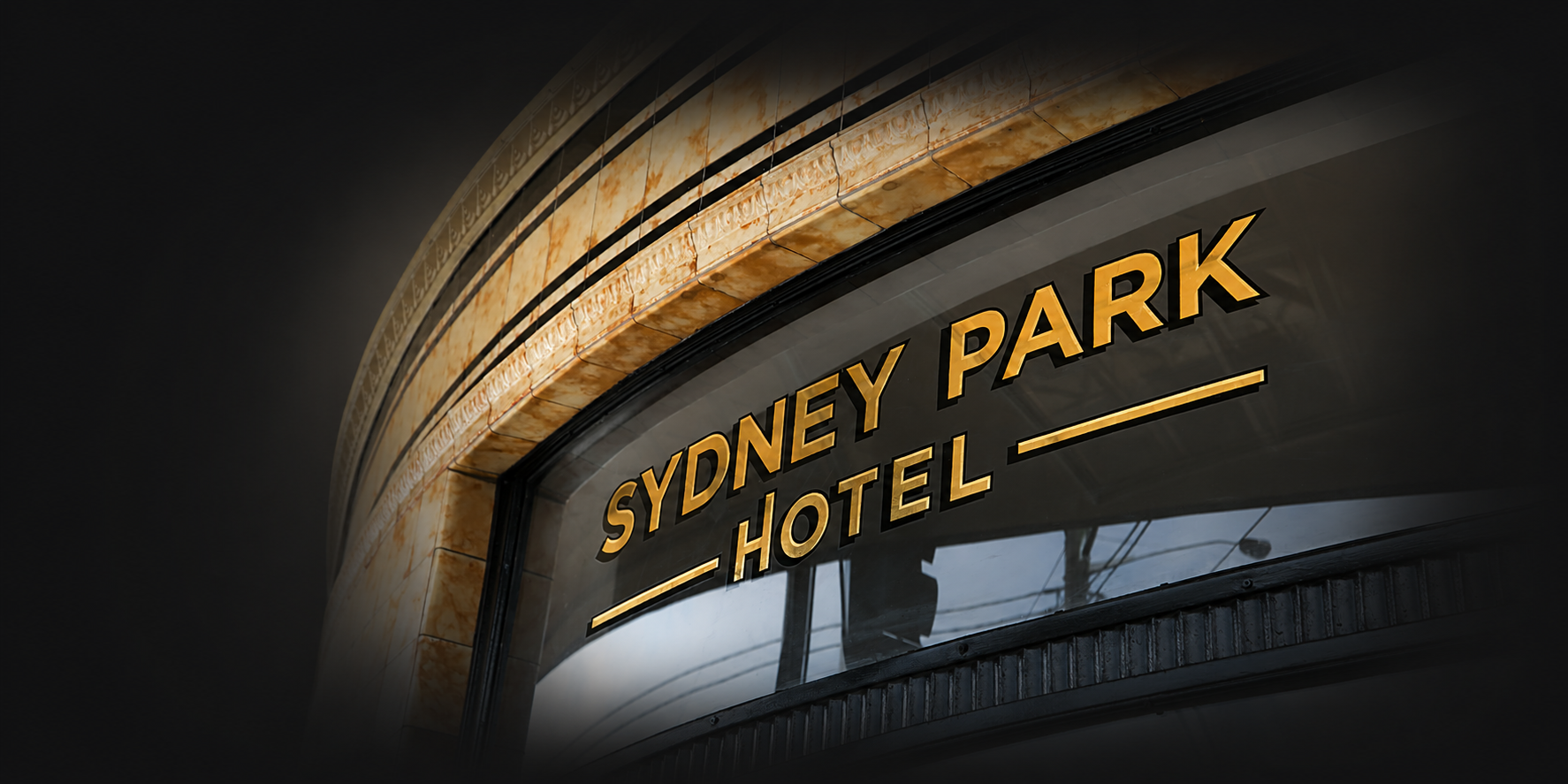
The Sydney Park Hotel upgrade combined zoned audio, commercial displays, AV-over-IP video distribution, rooftop AV, function-room technology, wireless microphones and staff input connections.
Delivering the complete result required more than selecting AV equipment. Network switching, data cabling, equipment power, mounting, control and testing had to be coordinated around the venue’s operational areas.
An integrated delivery model allowed these connected elements to be managed through one project team rather than divided between unrelated technology and infrastructure providers.
Complete Technology Delivery
The benefit is not simply having fewer suppliers. It is having one delivery team responsible for making AV, power, data, programming and support work as one complete technology environment.
Masters Voice Technology designs, installs, programs, commissions and supports commercial AV systems across Sydney and regional New South Wales.
Our integrated capability combines commercial AV, licensed electrical work, registered communications cabling and managed support under one accountable project and service model.
Vertical Integration FAQs
Vertical integration means coordinating connected services such as AV design, equipment supply, installation, electrical work, data cabling, programming, commissioning and ongoing support within one delivery organisation or accountable project structure.
Commercial AV systems depend on power, data networks, cabling, programming and physical installation. Coordinating these disciplines can reduce scope gaps, delays, duplicated work and disputes between separate contractors.
No. Professional projects still require specialist designers, electricians, registered cablers, programmers, installers and support technicians. Vertical integration brings these specialists into one coordinated delivery model.
It can reduce avoidable costs caused by duplicated site visits, incomplete infrastructure, late design changes, variations and coordination failures. The lowest initial quotation is not always the lowest whole-of-project cost.
Many commercial AV installations require power outlets, dedicated circuits, network connections, structured cabling, table boxes, equipment racks and cable pathways. These requirements should be identified during the AV design stage.
An integrated support team can investigate AV equipment, programming, power, data cabling and networked endpoints through one service pathway. This reduces the need for clients to diagnose which contractor is responsible before requesting help.
Ask which services are delivered in-house, who holds the relevant licences and certifications, who will design and program the system, which work is subcontracted, who commissions the project and who supports it after handover.
Yes. Masters Voice Technology combines commercial AV design and integration, licensed electrical work, registered communications cabling, programming, commissioning and managed support for projects across Sydney and regional NSW.
Contact Our Team
Tell us about your organisation, site, existing technology and project requirements. Our team can assist with commercial audio visual design, installation, electrical and communications works, system upgrades, maintenance and managed support.
Project Enquiry
Use our project enquiry form to share your requirements and optional supporting files.
Prefer to speak with us? Call 1300 804 320 or email our team.